
Hemp resins: what they are and what types exist
Industrial hemp is a plant with a long history of traditional and industrial uses. In recent years, interest in its derivatives has increased significantly, especially in products obtained from the flowers, which are rich in non-psychoactive cannabinoids. Among these derivatives, the so-called hemp resins, known for concentrating aromatic and natural compounds from the plant.
In this article we will explain what hemp resins are, how they are obtained, and what the main types that currently exist are.
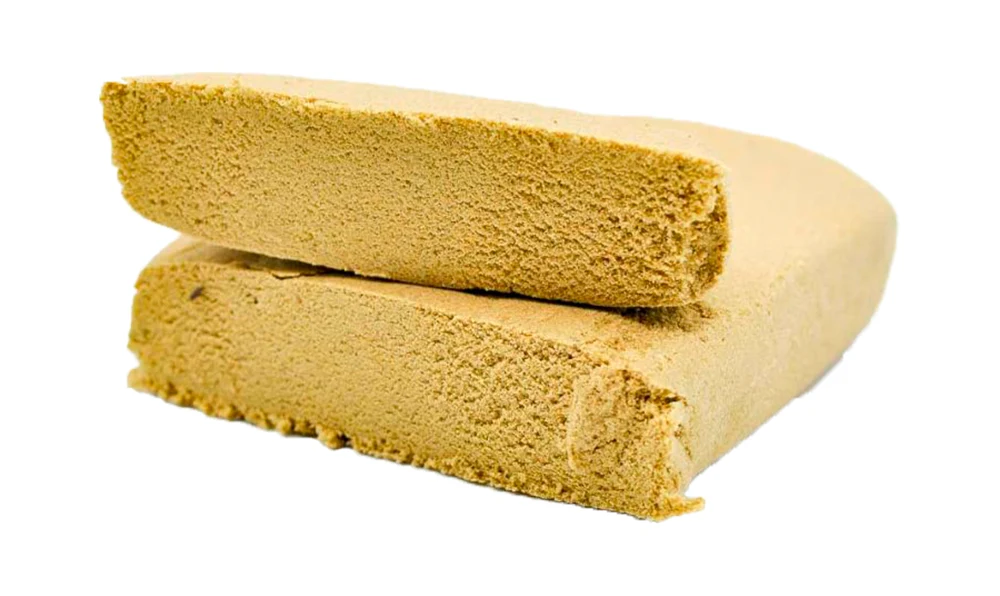
What are hemp resins?
The hemp resins These are concentrated substances obtained from the trichomes of industrial hemp flowers. Trichomes are small glands containing cannabinoids, terpenes, and flavonoids, which are responsible for the aroma, appearance, and characteristics of the plant.
Unlike other derivatives, resins do not necessarily involve complex chemical processes. In many cases, they are obtained through mechanical or physical methods that allow the separation of plant material richest in natural compounds.
These resins are traditionally used as aromatic products, for collection or research, always within the corresponding legal framework.
Main types of hemp resins
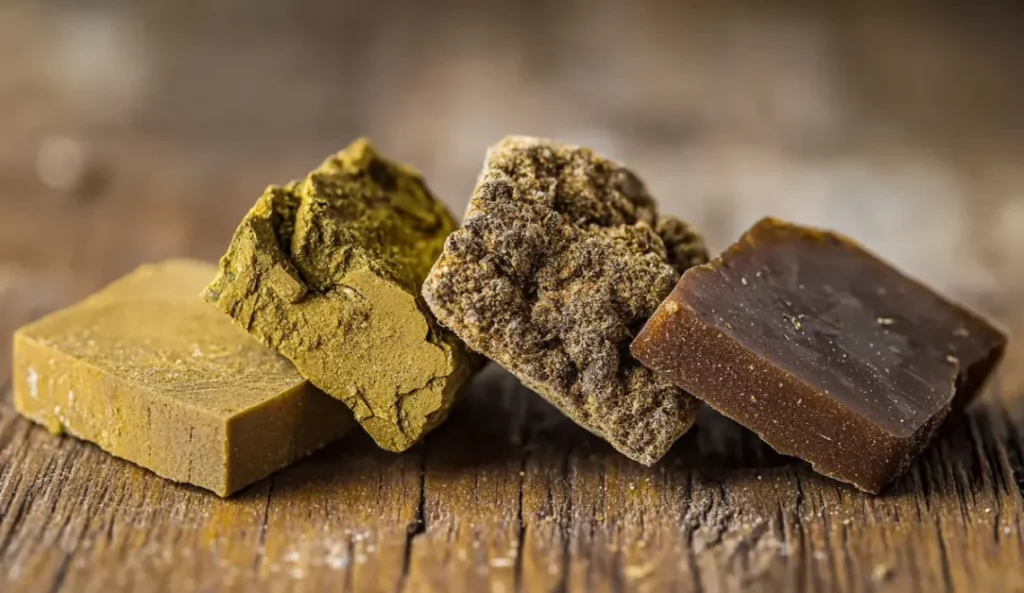
There are different types of resins, which differ mainly in their method of obtaining and their final texture.
One of the best-known formats is the CBD hashCannabidiol (CBD) is a resin obtained from the pollen of industrial hemp flowers rich in cannabidiol. This type of resin is notable for its compact consistency and aromatic profile, resulting from the concentration of trichomes through processes such as dry sieving and cold pressing.
Among other types of resins, we also find unpressed hemp pollen, the purest dry extractions, and other artisanal formats that aim to preserve the plant's natural terpenes. Each has differences in texture, color, and aroma, but they all share their origin in industrial hemp.
Differences between traditional resins and industrial hemp derivatives
Historically, resins have been associated with cannabis varieties high in THC. However, resins from industrial hemp are clearly different in composition.
Industrial hemp is cultivated from certified varieties with very low THC levels, allowing for the production of legal resins in many European countries. These resins have no psychoactive effects and focus on preserving the aromatic and natural properties of the plant.
The main difference lies in the legal framework, the origin of the raw material and the final use of the product, which in the case of industrial hemp is usually geared towards non-recreational purposes.
Legal framework for industrial hemp in Europe
In Europe, the cultivation of industrial hemp is regulated by EU regulations that set strict limits on THC content. Only certified and registered varieties can be used legally, and their derivatives must meet specific requirements depending on the country.
Resins obtained from industrial hemp are typically marketed as aromatic, collectible, or technical products. It is important that each product has traceability and analysis certifying its origin and composition.
Before acquiring or researching any hemp derivative, it is always advisable to find out about the regulations in force in each territory.
Conclusion
Hemp resins represent an important part of the modern use of industrial hemp. Thanks to traditional extraction methods and the use of certified varieties, these derivatives allow the preservation of the plant's natural aromas and characteristics within a defined legal framework.
Understanding the different types of resins, their origin, and their differences helps to better understand the role of industrial hemp today and its evolution within the sector.


